

Have you noticed your preschooler kicking a ball around the living room or trying to balance on the edge of a couch cushion? Little habits like these can hint at the activities a child might enjoy. When considering soccer vs gymnastics for preschoolers, both activities are worth a look, though the experience in class can be quite different.
Soccer gives children a chance to chase a ball, practice kicking, and join simple group games. Gymnastics involves movements such as jumping, rolling and balancing. A child who loves running after a ball might enjoy soccer, while a child who keeps trying to master a new movement may prefer gymnastics.
There’s no need to pick a sport based on what other families are doing. Start with what your child enjoys and how comfortable the child feels in a group setting.
What Can Preschoolers Learn From Organized Sports?
Preschoolers learn by doing. They try something, get it wrong, and give it another go. A sports class gives them room to practice new movements and get used to following simple instructions.
Take a child learning to kick a ball. The first few kicks might send it sideways or the child might forget to wait for a turn. That’s part of learning. A patient instructor can help children keep trying without making every activity feel like a test.
A class can give preschoolers practice with-
- Running, jumping, and changing direction.
- Listening to a coach and following directions.
- Sharing equipment and waiting for a turn.
- Trying a new activity even when it feels unfamiliar.
- Controlling movements during play.
The atmosphere matters. Preschoolers need instructions they can follow, and activities that fit their abilities. Nobody should expect a four-year-old to perform like an older child.
Soccer vs. Gymnastics for Preschoolers: What’s the Difference?
Both sports get kids moving, but the activities themselves aren’t the same. When comparing soccer vs gymnastics for preschoolers, consider the types of movement each activity offers and which ones your child enjoys most.
Soccer: Kicking, Running, and Group Play
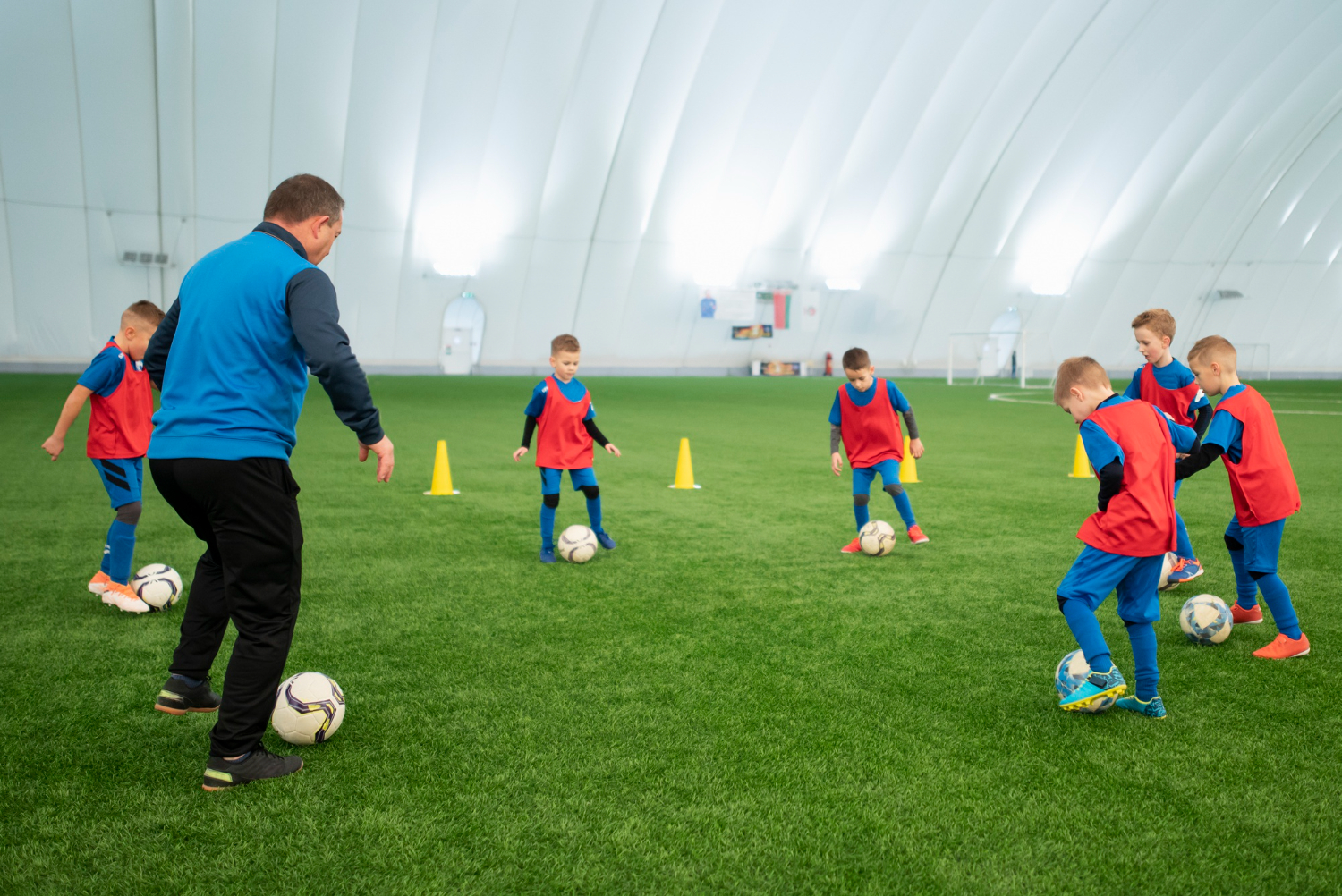
Soccer introduces children to the ball. A beginner class might involve kicking toward a target, moving a ball around cones, or stopping when a coach gives a signal.
The activities can be simple, and that’s a good thing.
A preschooler doesn’t need to know the rules of a full soccer game to join in. Early classes focus on getting comfortable with the ball, and learning basic movements through play.
Soccer may suit children who love chasing balls or running around with other kids. Group games also give children chances to practice taking turns and following directions without making every activity about winning.
Gymnastics: Balancing, Jumping, and Body Control
Gymnastics gives children a different set of movements to try. Depending on the class, preschoolers might practice basic tumbling, jumping, balancing or moving through an obstacle course.
Some children enjoy repeating a movement until it feels right. Others prefer moving from one activity to the next. Both responses are normal.
Before signing up, ask how the gymnastics class works with preschoolers and what safety measures are in place. The equipment and instruction should suit the child’s age and abilities.
Neither sport is the obvious winner for every child. A child might love soccer and have no interest in tumbling, or the other way around.
Which Activity Helps Children Develop Coordination?
Soccer and gymnastics both give preschoolers practice with coordination, but they ask children to move in different ways. When comparing soccer vs gymnastics for preschoolers, consider which movements your child enjoys practicing.
During soccer, a child watches the ball, moves toward it and tries to kick it in the intended direction. Moving around cones or stopping the ball when asked adds another challenge.
Gymnastics focuses more on body position and control. Children may practice balancing or landing after a jump. Some movements take time to feel comfortable.
And that’s fine. A child might miss the ball several times before making a solid kick. Another might step off a balance surface and need another try. Progress isn’t always obvious from one class to the next.
Instead of comparing children, notice whether your child is getting more comfortable with the activity and willing to try again.
Which Sport Gives Children More Practice With Social Skills?
If your child is still getting used to group activities, pay attention to what happens during a typical class.
Soccer often involves shared games. Children wait for turns, listen for signals and follow a coach’s directions while moving around the playing area. These moments give them practice participating with others.
Gymnastics classes have group routines, too. Children may take turns using equipment, or wait while an instructor explains a movement.
For a shy child, the first class might involve more watching than joining in. That’s not necessarily a problem. Some children need time to get comfortable with a new coach and unfamiliar faces.
A patient instructor can make a difference. Neither sport guarantees that a child will become more outgoing, but both can provide opportunities to practice interacting with others.
Is a Noncompetitive Sports Class a Good Choice for Preschoolers?
Some parents want their child to try sports without the pressure of scores, or rankings. A noncompetitive class can be a comfortable starting point for children who are new to organized activities.
The focus is on learning the basics and taking part. Children can make mistakes, try again, and become familiar with the activity at a pace that suits them.
At Soccer Stars Huron Valley, Super Soccer Stars introduces children ages 2.5 to 10 to soccer fundamentals in a fun, noncompetitive, educational environment. Parent & Me offers a pre-soccer music and movement program for toddlers ages 1 to 2.
Parents can visit the Soccer Stars Huron Valley public classes page to see available options.
How Should Parents Choose the Right Preschool Activity?
Before signing up, consider a few practical questions.
What does your child already enjoy?
A child who kicks balls around the yard might enjoy soccer. A child who loves jumping and balancing may prefer gymnastics. Interests can change, so the first choice doesn’t have to become a long-term commitment.
Does the class suit your child’s age?
Ask about the activities, class structure and how beginners are supported. Preschoolers need manageable instructions and time to get used to new movements.
How does the instructor handle mistakes?
Look for patient explanations and encouragement. Children should be able to try a movement without feeling embarrassed when it doesn’t work the first time.
What safety measures are in place?
For soccer, check the playing surface, available space, equipment, and supervision. For gymnastics, ask about equipment suitability, instructor qualifications, and how activities are adjusted for young children.
Will the schedule work for your family?
Think about travel time, preschool hours and how much free time your child will have left. A class that fits the family’s routine is easier to keep attending.
A good choice should feel manageable for parents and enjoyable for the child. There’s little point in keeping a class that turns into a weekly battle.
Can Preschoolers Try Both Soccer and Gymnastics?
Yes, as long as the schedule leaves enough time for rest and free play.
Trying both can give children different movement experiences. Soccer involves the ball and group games, while gymnastics introduces more balance and body-control activities.
Still, more classes don’t automatically mean better results. Preschoolers need time to play on their own, explore outdoors, and relax at home.
Start with a manageable schedule and watch how your child responds. If getting ready for class becomes a struggle every week, consider whether the timing works or if another activity might be a better fit.
Families interested in soccer can explore programs at Soccer Stars Huron Valley and review the available age-specific classes.
Conclusion
Soccer and gymnastics give preschoolers different ways to move and learn. Soccer centers on ball skills and group games, while gymnastics offers more practice with balance and body control.
When comparing soccer vs gymnastics for preschoolers, start with your child’s interests. Then consider the instructor, class environment, and safety measures. A good first activity should leave room for mistakes and make learning feel enjoyable.
Parents considering a first soccer class can review Soccer Stars Huron Valley’s programs to find an option suited to the child’s age and interests.
