

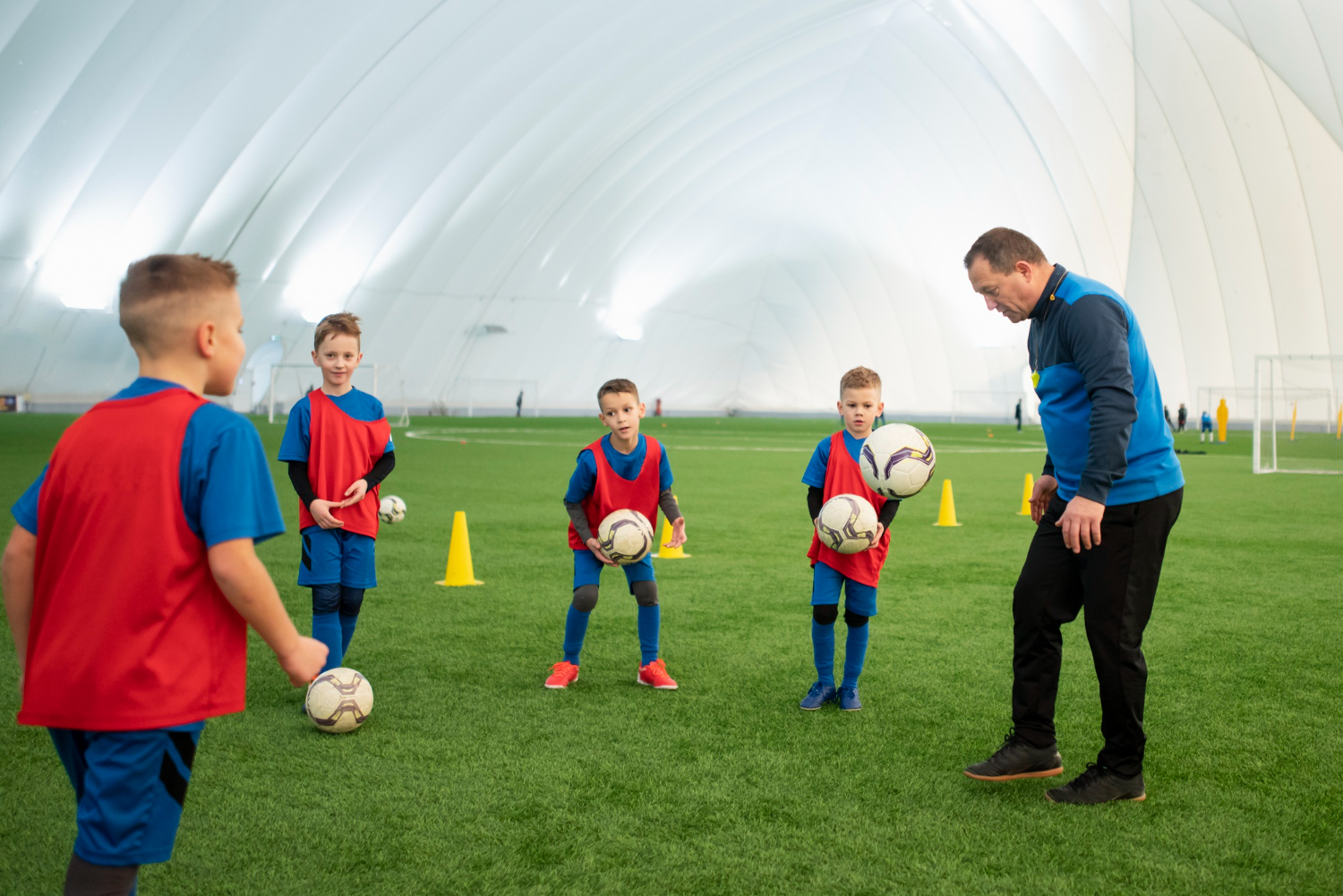
When parents think about kids soccer classes, they often picture goals, running, and learning a new sport. But after children start school, many families begin noticing something else.
During parent-teacher conferences or casual conversations, teachers sometimes mention how certain children seem comfortable working in groups, following classroom routines, or joining playground games with confidence. While every child develops differently, many educators say early group activities can help children become more comfortable in these everyday situations.
At Soccer Stars Huron Valley, we’ve met many parents who initially signed up because they wanted an active weekend activity. Later, they told us they noticed changes that had very little to do with soccer itself. Their children became more willing to participate, listen, cooperate, and try new experiences.
That’s one reason many families looking into the benefits of kids soccer discover that the lessons often continue long after class ends.
What Are the Benefits of Kids Soccer?
The benefits of kids soccer include improved coordination, confidence, teamwork, listening skills, communication, and regular physical activity. For many young children, soccer also provides opportunities to practice following directions, taking turns, solving simple problems, and interacting with other children in a positive group environment.
Teachers Often Notice Confidence Before Soccer Skills
Ask a teacher what stands out during the first weeks of school, and the answer usually isn’t which child can run the fastest.
Instead, teachers often notice everyday behaviors like:
- Joining a group activity without hesitation.
- Raising a hand to answer questions.
- Taking turns during games.
- Following simple classroom routines.
- Feeling comfortable interacting with classmates.
These aren’t soccer skills.
They’re life skills that children practice in many structured group activities, including age-appropriate soccer classes.
Learning to Work With Others Starts Early
A beginner soccer class isn’t just about kicking a ball.
Children regularly practice things like:
- Waiting for their turn.
- Encouraging teammates.
- Sharing equipment.
- Listening to a coach.
- Working toward a common goal.
These experiences may seem simple but they help children become more comfortable participating in group settings.
For many parents exploring the benefits of kids soccer, this social development is just as valuable as learning the sport itself.
Following Directions Becomes Easier Through Practice
Young children hear directions every day, at home, school and during activities. Soccer gives them another place to practice listening in a positive environment.
Children learn to:
- Stop when the coach gives a signal.
- Move to the next activity.
- Follow simple instructions.
- Watch demonstrations before trying something new.
Over time, these routines become familiar, helping children feel more confident when following directions in other settings as well.
Soccer Helps Children Feel Comfortable Trying New Things
Not every child walks into a new activity feeling confident.
Some prefer to watch first, others need encouragement before joining in. Good beginner soccer programs create small opportunities for success.
A child might:
- Complete an obstacle course.
- Kick the ball into a goal.
- Finish a team game.
- Learn a new movement.
Each small achievement builds confidence to try the next challenge. That’s another one of the lasting benefits of kids soccer.
Active Play Supports Learning
Children learn through movement.
Running, balancing, jumping, stopping, and changing direction all help develop coordination while keeping children active.
Soccer combines these movements with games that encourage children to think, react, and participate with others.
Instead of sitting still, children are learning while moving.
What Parents May Notice at Home
Parents often expect to see better soccer skills.
Sometimes they notice different changes first.
Their child may:
- Talk more confidently about their day.
- Show excitement about group activities.
- Want to practice new skills at home.
- Feel more comfortable meeting new children.
- Become more willing to try unfamiliar activities.
These everyday changes often become some of the most meaningful benefits of kids soccer.
Soccer Builds More Than Players
Children don’t have to become competitive athletes to benefit from sports.
For many families, the biggest reward isn’t scoring goals.
It’s watching a child become more confident, more comfortable working with others, and more excited to participate in new experiences.
At Soccer Stars Huron Valley, our age-appropriate classes are designed to help children grow through movement, teamwork, encouragement, and play. Every activity supports soccer development while helping children build skills they can use in school, on the playground, and throughout everyday life.
If you’re considering the benefits of kids soccer, remember that some of the biggest victories aren’t measured on the field. They’re often seen later in the classroom, during group activities, and in the confidence children carry with them wherever they go.
Frequently Asked Questions
What are the benefits of kids soccer?
The benefits of kids soccer include improved coordination, teamwork, confidence, listening skills, communication, and regular physical activity.
Can soccer help children develop social skills?
Yes. Soccer gives children opportunities to work with teammates, take turns, communicate, and participate in group activities.
Does soccer help prepare children for school?
Age-appropriate soccer classes help children practice following directions, listening, cooperating with others, and becoming comfortable in structured group settings.
Is soccer good for shy children?
Many shy children benefit from beginner soccer programs because they can participate at their own pace while building confidence through small successes and supportive coaching.
What age should children start soccer?
Many programs offer age-appropriate classes beginning around 18 months or 2 years old, with activities designed to match each stage of development.
