

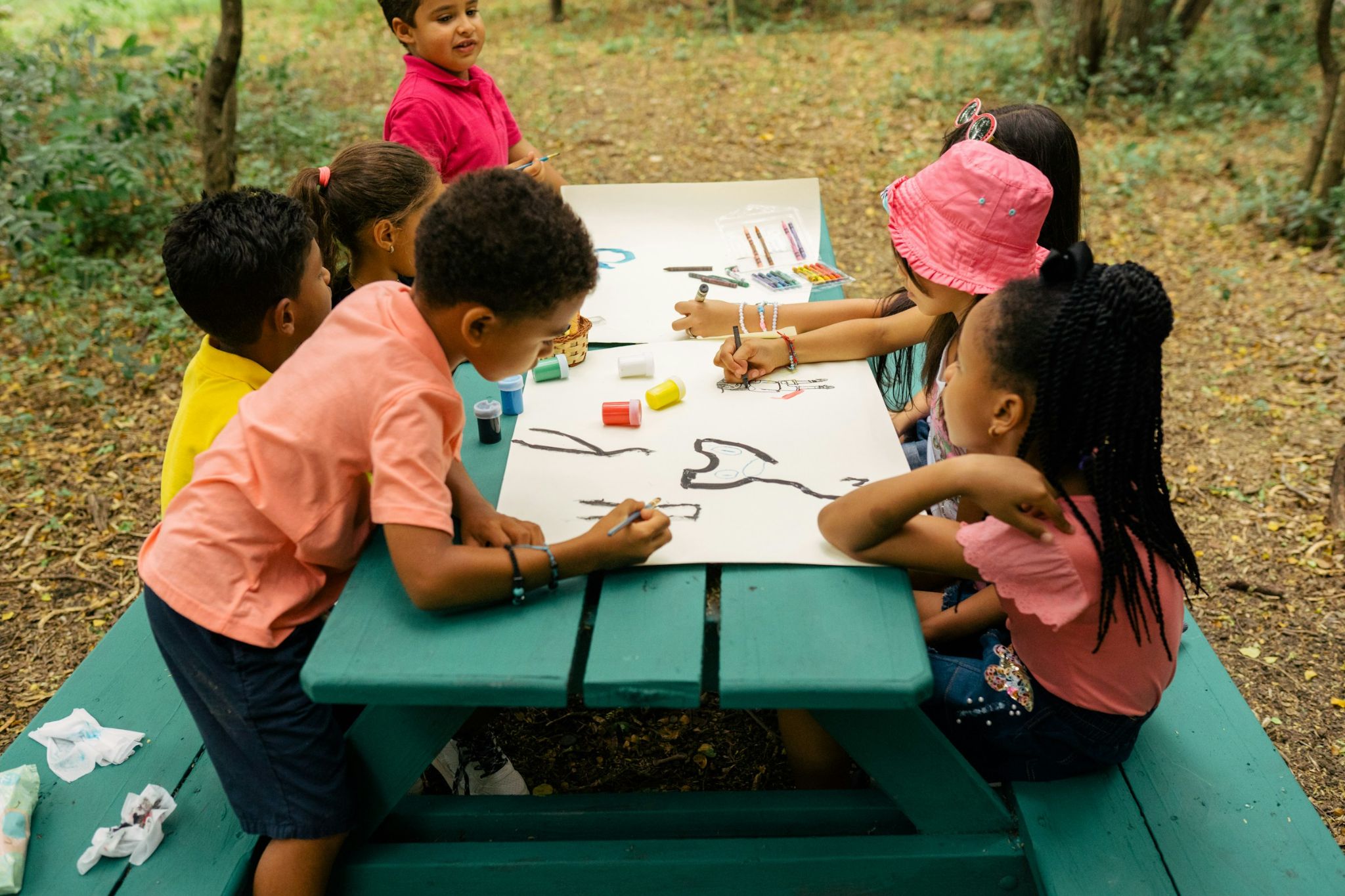
By the second or third week of summer, the novelty of sleeping late can wear off. The pool has been visited. The toys are still there, but somehow they aren’t interesting anymore. Then comes the familiar question: “What are we doing today?”
A summer camp for kids can give those open summer days some direction without making the break feel like another school schedule. When soccer is part of the day, children have something to practice, a chance to play, and a reason to look forward to tomorrow.
That last part matters. Kids don’t need every activity to feel productive. They need something they enjoy enough to ask about again.
Why “I’m Bored” Shows Up So Fast
Summer gives children more free time, which sounds ideal. But too much unstructured time can become difficult for families.
During the school year, much of a child’s day already has a rhythm. They know when activities happen and when they’re heading home. Summer removes much of that structure.
The answer isn’t to fill every hour.
A better approach is to have a few activities that give the week some shape while leaving room for family plans and free play. Soccer fits naturally because the activity can change from one session to the next.
One day might focus on dribbling. Another could involve small-sided games. Children practice something, use it, and then get back to playing.
That’s different from simply being told to “go play outside.”
The Part Kids Don’t Call Skill Development
Ask a child why they want to return to soccer camp and you probably won’t hear much about technical development.
They may talk about a goal they scored. Maybe they learned a new move. Sometimes it’s much simpler: they liked the other kids.
Those moments give practice a purpose.
A coach can introduce a basic soccer skill, then create a situation where children have to use it. If a player is learning ball control, the next challenge might involve changing direction while avoiding another player.
The child is still playing. But there’s more happening underneath.
We build our programs around age-specific instruction and a non-competitive learning environment. The Huron Valley location offers programs for different age groups, from Parent & Me through older youth programming.
A three-year-old and a ten-year-old shouldn’t experience soccer in the same way.
A Good Camp Day Has Room to Change
More structure doesn’t automatically make a better children’s program.
If every part of the day feels scheduled, kids can lose the feeling that they’re there to have fun. But a day with no direction can become a long morning of asking what happens next.
The better option is somewhere between those extremes.
A soccer camp can move between instruction and play. Children might work on a skill, use it during a game, take a break, then return for another activity.
Our offerings include half-day camps and specialty options at select locations, including Soccer + Art and Soccer + STEAM. Camp activities can include soccer instruction, games, and other age-appropriate activities.
That variety can make a difference during a long summer.
What Parents Should Notice Beyond the Schedule
When comparing a summer camp for kids, the list of activities is only part of the decision.
Parents can look at what actually happens during the day:
- Is the soccer instruction age-appropriate? A young beginner needs a different introduction to the game than an experienced player.
- Do children get to play? Practicing a skill matters, but using it in a game helps children understand why it matters.
- Can beginners participate comfortably? A child shouldn’t need years of experience before feeling at home on the field.
- Are coaches prepared to work with children? Soccer knowledge matters, but so does knowing how to communicate with young players.
- Does the day have enough variety? Different activities can keep children interested without making the schedule feel overloaded.
We highlight trained and vetted coaches, low kid-to-coach ratios, age-specific curriculum, and progression across our youth programs.
Those details tell parents more than simply calling a camp “fun.”
Why Progress Still Matters During Summer
Summer can interrupt a young player’s normal routine. School is out, weekly activities change, and there may be a break between sports seasons.
That doesn’t mean soccer development has to stop.
Children can keep working on basic movements and ball skills without turning summer into formal training. For younger players especially, repeated opportunities to play can help them become more comfortable with the ball and with other children on the field.
They don’t need to decide at age five whether soccer will become their sport.
They need opportunities to play.
Soccer Stars’ Huron Valley programs span several age groups, from early movement and soccer activities to more advanced youth programming. Super Soccer Stars introduces fundamentals in a fun setting, while Soccer Stars United provides a next step for children ready for more technical skills and team concepts.
That gives families options as a child’s interests change.
The Summer Routine Kids Don’t Resist
Parents know the difference between an activity a child has to be dragged to and one they start asking about.
That’s the real test.
If a child gets to see a familiar coach, play with other children, and try something that was difficult a few weeks earlier, the activity can become part of the summer instead of another item on a parent’s calendar.
At Soccer Stars Huron Valley, the experience is connected to an age-specific soccer curriculum rather than a one-size-fits-all approach. The local program offers classes and camps for different ages and stages, so children have opportunities to continue as their skills and interests develop.
That continuity can be useful for families. A beginner can try soccer without being pushed toward competition before they’re ready, while a more experienced player can keep working on new skills.
Give Kids Something They Want to Repeat
A summer camp for kids doesn’t need to solve every summer problem.
It doesn’t have to fill every weekday or turn a child into a serious athlete by August. It shouldn’t feel like school in disguise.
What it can do is give children a place to move, play, learn, and spend time with other kids.
Soccer works well for this because the same ball can support very different activities. A beginner might work on simple kicks and movement. An experienced player can take on a more challenging game. The coach can adjust the activity without changing the main reason children are there: they want to play.
That is why the best camp memories aren’t always the biggest achievements. A child may remember a funny game, a new friend, a great goal, or the first time a move finally worked.
Those moments are small.
They’re also the reason a child may ask, “Can we go again?”
Conclusion
Summer doesn’t need to be packed from breakfast until bedtime. Kids need free time, but they also need activities that give them a reason to get moving.
A summer camp for kids built around soccer can provide that balance. Children get time to practice, but they also get games. They meet other players, work with coaches, and have opportunities to notice their own progress.
For families in the Huron Valley area, we offer a local soccer program where summer camp can fit into a child’s broader development rather than standing alone as a seasonal activity. The focus stays on getting children involved, helping them learn through play, and giving them a reason to want another turn.
