

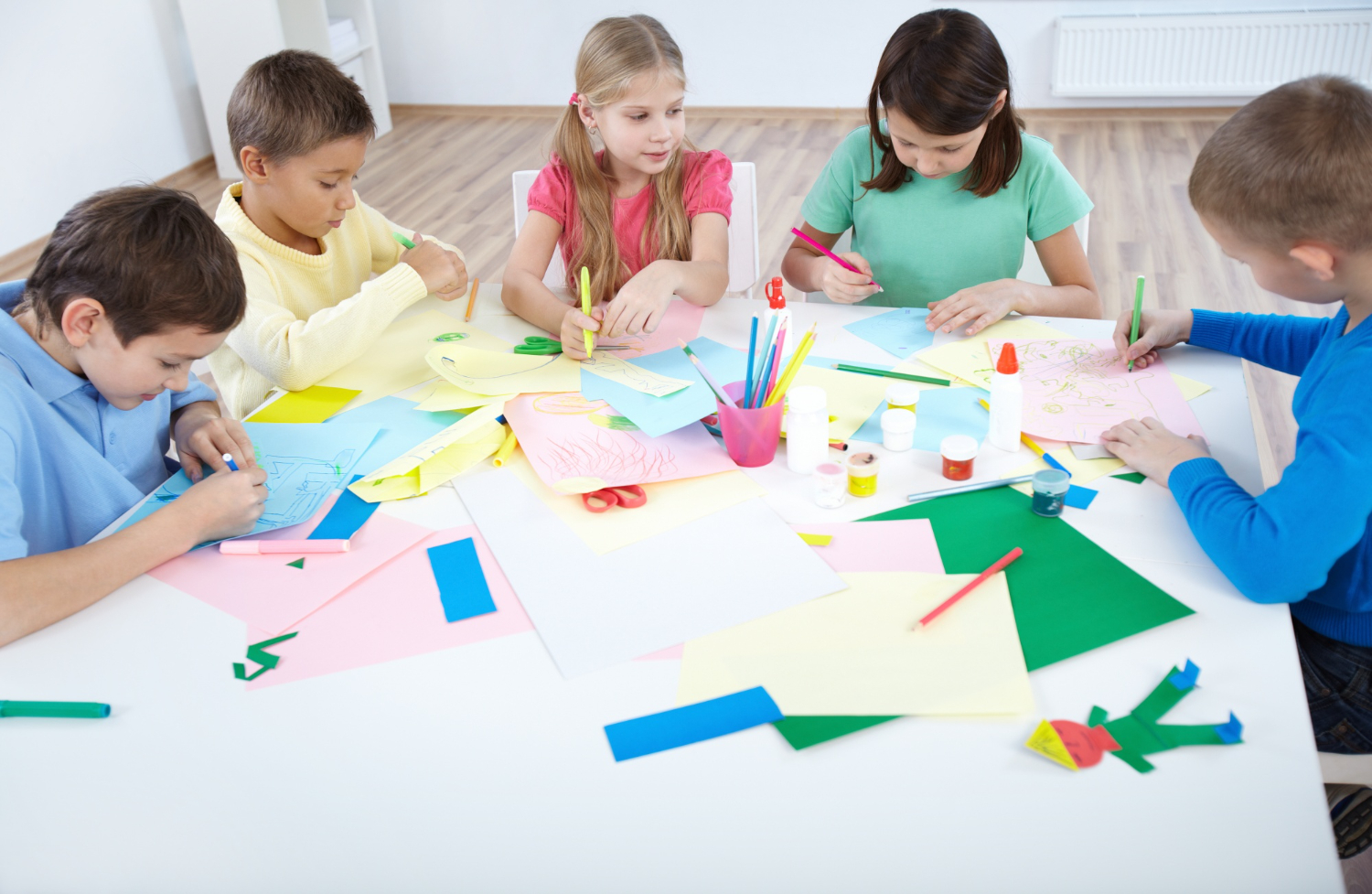
Every parent reaches a moment of wondering whether a little one is ready to join a room full of other kids. Some children march in with confidence, while others cling to a parent’s leg. Neither response is wrong. Learning the signs child is ready for group activities helps families choose the right timing, the right class, and the right pace, so the first experience feels exciting instead of overwhelming.
A good starting point is to look at how your child handles everyday situations such as following simple instructions, playing near other children, or trying a new activity with a familiar adult nearby. Group classes give children a chance to practice these skills gradually but readiness doesn’t look the same for every child. Some children need a few visits to feel comfortable, and that’s perfectly normal. The goal is to find a setting where your child can explore, participate at a comfortable pace, and build confidence over time.
Group Readiness Is a Spectrum, Not a Switch
Social-emotional development unfolds at different speeds for every child. A two-year-old may enjoy playing beside peers without interacting much which is called parallel play. A five-year-old may crave turn-taking, teamwork, and new friendships. Temperament, daily routines, and past experiences all shape readiness and a birthday alone does not decide it.
Think of readiness as a dimmer rather than an on/off switch. Small, positive steps build confidence over time, and no child is “behind” for needing a gentler start.
6 Signs Child Is Ready for Group Activities
1. Curiosity About Other Children
Does your child watch kids at the park, wave at classmates or copy a sibling’s movements? Interest in peers is one of the earliest indicators of social readiness. A curious child is often eager to be part of the action.
2. Comfort Separating for Short Periods
Separation anxiety is a normal developmental stage, and a child does not need to be completely clingy-free to begin. Look for the ability to settle with a trusted caregiver nearby. For toddlers who still want a parent close, a caregiver-attended format like Parent & Me offers music, movement, and a familiar face at the same time.
3. Listening to Simple Directions
Group classes run on small, friendly routines such as “line up,” “stop,” and “kick the ball.” If your child can follow one- or two-step instructions most of the time, the structure of a class will feel natural.
4. Early Turn-Taking and Sharing
Perfect sharing is not required, since few preschoolers have mastered it. Noticing brief moments of waiting, handing over a toy or watching a friend take a turn signals that group play is within reach.
5. Energy and Interest in Movement
Children who love running, jumping, kicking, and climbing often thrive in active classes. Movement-based programs also support gross motor skills, balance, and coordination while keeping learning playful. At Soccer Stars Huron Valley, our coaches use games, imagination, and encouragement so energetic kids can channel that spark in a positive way.
6. Bouncing Back From Small Frustrations
Missing a goal, losing a turn, or waiting in line can stir big feelings. A child who can recover with a hug, a deep breath, or a little coaching is building the emotional regulation that group settings call for.
Myths That Make Parents Hesitate
“My child is too shy.” Shy children often warm up beautifully in small groups with patient, encouraging coaches. A low kid-to-coach ratio gives quieter kids room to observe first and join when ready.
“Group activities mean competition.” Not necessarily. Non-competitive programs focus on fun, skill-building, and confidence rather than scoreboards. This approach suits young children who are still learning what they enjoy.
“We should wait until kindergarten.” Early, low-pressure group experiences can ease the move into school routines, including listening, transitions and cooperating with peers. Waiting is a valid choice too, but a positive early experience can make kindergarten readiness feel less daunting.
Low-Pressure Ways to Test the Waters
Even when several signs child is ready for group activities show up, a gradual approach works best:
- Visit first. Let your child watch a class from the sidelines before joining.
- Start with a trial. A free trial class shows how your child responds in a real setting.
- Pick the right stage. Parent & Me fits ages 1-2, Super Soccer Stars fits ages 2.5-10, and Soccer Stars United fits ages 5-12 for children ready for more team concepts.
- Keep routines steady. A snack, a favorite water bottle, and a consistent drop-off ritual create comfort.
- Celebrate effort. Praise trying, listening, and having fun rather than outcomes.
What to Look for in a Kids Class Near Ann Arbor and Beyond
Families across Huron Valley, Ann Arbor, Milford, Highland, White Lake, Commerce Township, and Brighton have plenty of options, so the details matter. Strong programs offer:
- Age-specific curriculum that matches developmental stages
- Trained and vetted coaches who connect with young children
- Small groups so every child gets attention
- A fun, non-competitive atmosphere that builds confidence
- A clear pathway for growth as skills develop
Parents who prefer an on-site option can also explore school and daycare enrichment, which brings structured movement classes into a familiar environment.
Trust Your Instincts, Then Take the First Step
Parents know their children best. If your child shows curiosity, handles short separations, follows simple directions and enjoys moving, the groundwork is likely in place. If a few signs are still developing, that is perfectly normal. Readiness grows through experience, and a supportive environment can speed that growth along.
Conclusion
Group activities can shape confidence, friendships, listening skills and a lifelong love of movement. Recognizing the signs child is ready for group activities from curiosity about peers to resilience after small setbacks, takes the guesswork out of timing. At Soccer Stars Huron Valley, we welcome every child at the pace that feels right, with age-appropriate classes designed to keep learning joyful, and pressure-free.
Ready to see how your little one responds? Find a class near you and take the first step toward a fun, confidence-building experience.
